Legumes & Soy Foods · Dry Legumes
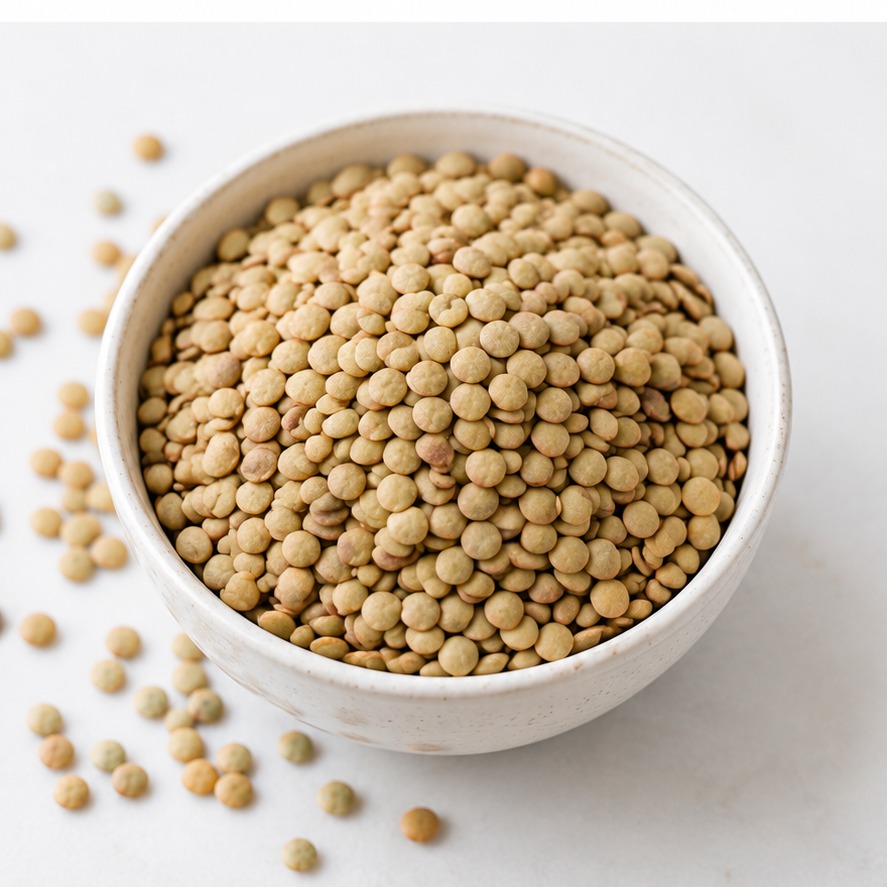
Green Lentils
Green lentils are rich in plant protein and dietary fiber, and their intact green seed coats also contain a variety of plant polyphenols. Once cooked, they work well in soups, stews, salads, and mixed-grain dishes.
Food Overview
Key strengths
Representative data for cooked green lentils are about 116 kcal, 9.02 g of protein, and 7.9 g of dietary fiber per 100 g, along with folate, iron, copper, manganese, phosphorus, magnesium, and potassium.
How to Eat It
Green lentils work well in soups, stews, curries, mixed-grain rice, grain salads, and vegetable patties. Pairing them with brown rice, barley, quinoa, whole-grain bread, or corn can add variety to staple foods and plant-protein sources.
What stands out
Green lentils retain an intact seed coat, which generally contains substantially more plant polyphenols than the inner cotyledons. Representative compounds include catechin, epicatechin, proanthocyanidins, quercetin and kaempferol glycosides, and multiple phenolic acids.
Worth noting
Raw green lentils should not be eaten directly and should be cooked until completely soft in the center. They usually do not require pre-soaking; rinse, bring to a boil in water, then simmer for about 20—30 minutes.
Basic Nutrition
Showing:100 g Cooked Green Lentils
View complete nutrition data
GI note:GI varies with cultivar, food structure, processing, and cooking. Raw grains usually do not have directly applicable human GI data.
The GI value of 30 corresponds to a specific home-cooked green-lentil test. It is not scaled with serving size and should not be applied to canned, sprouted, powdered, or fried products.
Data notes:The USDA cooked-lentil entry does not provide a total starch value suitable for direct use, so starch is shown as “—” rather than back-calculated from total carbohydrate, sugar, and fiber.
Vitamins & Minerals
By default, data are shown per 100 g of cooked green lentils and update when the food state or serving size changes.
View all vitamins and minerals
Percentages show how much the selected serving contributes to the adult Daily Value.
Key Bioactive Compounds
Flavan-3-ols & Proanthocyanidins
Flavonoids & Condensed TanninsFlavan-3-ols include catechin, epicatechin, and gallocatechin. They can combine further to form proanthocyanidins and prodelphinidins and are among the most representative polyphenols in intact green-lentil seed coats.
Existing research shows these polyphenols are concentrated mainly in the seed coat; catechin-3-glucoside is a representative monomer in raw lentils, while the seed coat also contains dimeric, trimeric, and polymeric proanthocyanidins. Specific uniform amount: —.
These compounds show antioxidant activity in experimental systems and may interact with proteins, digestive enzymes.
Prefer whole green lentils with intact seed coats. There is no need to remove the skin or refine them into highly purified starch.
Antioxidant or anti-inflammatory effects observed with seed-coat extracts or cell experiments should not be equated with treatment effects from a bowl of cooked green lentils.
Phenolic acids & flavonols
Phenolic Acids & FlavonoidsGreen lentils contain phenolic acids plus flavonols such as quercetin, kaempferol, myricetin, and luteolin derivatives.
Specific amount: —. The seed coat generally contains more and a wider variety of phenolics than dehulled cotyledons, with clear cultivar differences.
These compounds contribute to antioxidant reactions, but independent anti-inflammatory effects from ordinary portions remain uncertain.
Choose whole lentils with the seed coat and use soups or stews when you want to retain some water-soluble compounds.
Containing quercetin or phenolic acids does not mean green lentils replace medication or treat diabetes or chronic inflammation.
Resistant Starch
Functional carbohydratesResistant starch is not fully digested in the small intestine and can reach the colon.
Studies report about 6.0–8.9 g/100 g dry weight in lentils; one cooked green-lentil-flour study found about 6.8%. These are not fixed wet-weight values for cooked lentils.
It can be fermented by gut microbes and contribute to short-chain fatty acids, alongside the benefits of fiber, protein, and intact bean structure.
Eat lentils thoroughly cooked. Cooked portions can be refrigerated promptly and later reheated or used in salads.
Resistant starch is not calorie-free, and cooling lentils does not turn them into a weight-loss food or diabetes treatment.
How Preparation Changes Green Lentils
Raw Green Lentils
Raw green lentils contain little water, so energy, protein, folate, and mineral values per 100 g appear much higher than in cooked lentils. Raw lentils are hard and also contain phytic acid, trypsin inhibitors, lectins, and other compounds, so they should not be eaten directly.
Do They Need Soaking?
Unlike red kidney beans or chickpeas, green lentils usually do not need to be soaked in advance. Before cooking, remove stones and damaged lentils and rinse with clean water. Soaking for several hours can shorten cooking time but is not required.
Cooked Green Lentils
A common method is to add about 2.5 cups of water per 1 cup of raw green lentils, bring to a boil, then simmer for about 20—30 minutes until the center is soft.
Whole vs Dehulled/Split
Green lentils usually retain the whole seed coat. Dehulling and splitting shorten cooking time but remove outer tissues rich in proanthocyanidins, flavonols, and other polyphenols. Intact green lentils are the form most relevant to the polyphenol discussion on this page.
Cooling & Reheating
Cooling cooked lentils may increase some resistant starch, and reheating can continue to alter resistant starch and oligosaccharide content.
Canned Green Lentils
Canned green lentils are convenient, but brine proportion, sodium, and softness vary by brand. GI data for canned green lentils are about 52, higher than the 30 reported for home-cooked green lentils, so the two states should not share the same GI value.
Sprouted Green Lentils
Sprouting changes vitamins, sugars, phytic acid, and other components, but sprouted lentils are a separate food state and also raise microbial-safety issues associated with fresh sprouts. This page does not include sprouted-green-lentil data.
How to Choose & Store
How to choose
- Look for labels such as Green lentils, Whole green lentils, or Lens culinaris.
- Choose relatively intact lentils with fairly even color and no obvious insect damage, mold, excessive broken pieces, condensation, clumping, musty odor, or insect eggs.
- If seed-coat polyphenols are a priority, choose whole green lentils with the skin intact.
How to store
- Store raw green lentils in a sealed container in a cool, dry, dark place.
- After cooking, portion promptly into shallow clean containers and refrigerate within two hours. Refrigerated leftovers are generally best eaten within 3—4 days; freeze in portions if longer storage is needed.
- Discard lentils with visible mold, sour fermented odors, sliminess, leaking liquid, or abnormal color.
When buying green lentils, remember three things: confirm that they are green lentils, choose dry intact seeds, and avoid moisture or insect damage.
How to Include It in Everyday Meals
Green-Lentil Vegetable Soup
Cook green lentils with tomatoes, carrots, onions, celery, mushrooms, or leafy greens. Use herbs and spices for flavor and keep salty stock, sausage, bacon, and heavy cream modest.
Green-Lentil Mixed-Grain Rice
Cook the green lentils until nearly soft, then combine with brown rice, barley, quinoa, or millet. Start with a small amount and increase gradually as you adapt to the texture.
Green-Lentil Grain Salad
Drain and cool cooked green lentils, then pair with quinoa, buckwheat, tomatoes, cucumber, red cabbage, and herbs. Keeping some shape improves salad texture; pay attention to refrigeration time after cooling.
Green-Lentil Curry or Stew
Stew green lentils with tomatoes, pumpkin, spinach, cauliflower, and mushrooms, seasoning with turmeric, cumin, coriander seed, and a small amount of plant oil.
Green-Lentil Tomato Sauce
Add cooked green lentils to tomatoes, onions, carrots, and mushrooms to make a pasta sauce that replaces part of the ground meat. Keep the lentils mostly intact or mash only part of them rather than filtering the mixture completely.
Green-Lentil Vegetable Patties
Mash cooked green lentils and combine with oats, egg or tofu, onion, and chopped vegetables. Avoid deep-frying or repeatedly browning until charred, and do not add large amounts of processed meat, cheese, or high-sodium sauce.
Who Should Take Extra Care
Do Not Eat Raw or Undercooked Green Lentils
Raw green lentils are hard and also contain lectins and protease inhibitors. Cook until the center is completely soft; do not simply soak in warm water and use them raw in salads.
People with Sensitive Digestion or Frequent Bloating
Green lentils contain substantial dietary fiber, raffinose-family oligosaccharides, and other fermentable carbohydrates. Start with two or three tablespoons of cooked lentils and increase gradually.
People with Irritable Bowel Syndrome
People sensitive to GOS or fructans may not tolerate larger servings of green lentils. Cooking thoroughly and draining the cooking water, or choosing canned lentils that are drained and rinsed, may reduce some water-soluble oligosaccharides, but individual tolerance varies.
People managing blood sugar
Home-cooked green lentils have a representative GI of about 30 and are considered low GI, but a half-cup of cooked lentils still contains about 20 g of carbohydrate.
People with Iron Deficiency
A half-cup of cooked green lentils provides about 3.3 mg of non-heme iron. Diagnosed iron-deficiency anemia cannot be treated with green lentils alone.
People Who Are Pregnant or Planning Pregnancy
Green lentils are a natural source of folate, but food folate does not replace folic-acid supplements generally recommended before and during pregnancy. Relevant guidelines advise people who may become pregnant to obtain 400—800 µg of folic acid daily according to medical guidance.
People with Kidney Dysfunction or Those Told to Limit Potassium or Phosphorus
Per 100 g, cooked green lentils provide about 369 mg of potassium and 180 mg of phosphorus. Most people do not need to avoid them for this reason, but those under strict potassium or phosphorus restriction should count them toward the daily total.
People with Legume Allergies
Lentils can cause food allergy ranging from oral symptoms and hives to severe systemic reactions and may show immune cross-reactivity with chickpeas, peas, and peanuts. People with a clear allergy history to these legumes should not experiment with large amounts on their own.
People with Celiac Disease or Those Requiring a Strict Gluten-Free Diet
Green lentils are naturally gluten-free, but processing, packing, and transport can lead to cross-contact with wheat, barley, or other grains. People requiring strict gluten avoidance should choose clearly labeled gluten-free products and inspect for stray grain kernels before cooking.
Infants, young children, and people with swallowing difficulties
Cook green lentils until fully soft, then flatten, mash, or mix them into porridge or soup. Do not give whole lentils that remain hard in the center to infants or young children with limited chewing ability.
Similar Food Alternatives
Brown Lentils
Brown lentils are the closest substitute and work similarly in soups, stews, and salads, with a different color and polyphenol profile.
View details →French Green Lentils
Usually smaller and better able to hold their shape after cooking, making them useful for salads.
View details →Red Lentils
They are usually dehulled and split, cook more quickly, and form a thicker texture.
View details →Black Lentils
Smaller lentils with a dark black seed coat that work well in grain bowls and salads; their pigments and polyphenol profile differ from green lentils.
View details →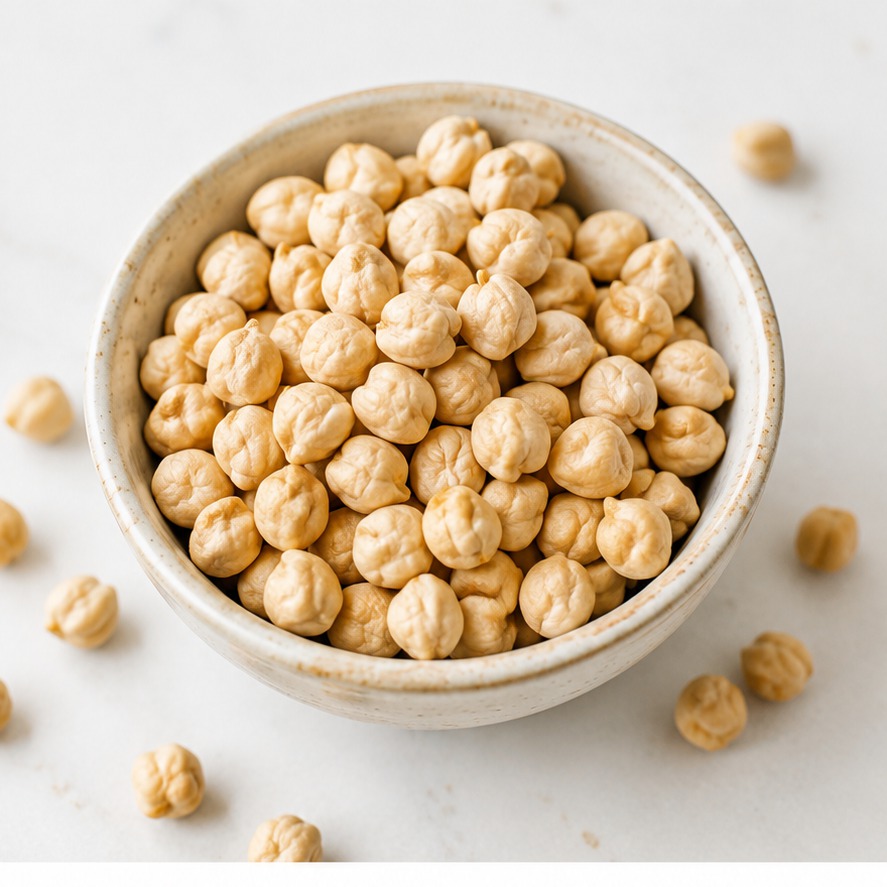
Chickpeas
They also provide plant protein, dietary fiber, folate, and minerals and work well in salads, stews, and purées, but generally require longer soaking and cooking.
View details →Data Sources & Last Updated
Nutrition Data
Basic Information & Food Safety
Research & References
Amarowicz R, et al. (2003). Proanthocyanidin Composition in the Seed Coat of Lentils.
Food Chemistry. DOI / Original
Xu B, Chang SKC. (2010). Phenolic Substance Characterization and Chemical and Cell-Based Antioxidant Activities of 11 Lentils Grown in the Northern United States.
Journal of Agricultural and Food Chemistry. DOI / Original
Zhang B, et al. (2015). Phenolic Profiles of 20 Canadian Lentil Cultivars and Their Contribution to Antioxidant Activity.
Food Chemistry. DOI / Original
Mirali M, et al. (2016). Genetics and Biochemistry of Zero-Tannin Lentils.
PLOS ONE. DOI / Original
Johnson CR, et al. (2015). Processing, Cooking, and Cooling Affect Prebiotic Concentrations in Lentil.
Journal of Food Composition and Analysis. DOI / Original
Siva N, et al. (2019). Variability in Prebiotic Carbohydrates in Different Market Classes of Pulses.
Frontiers in Nutrition, 6, 38. DOI / Original