Whole Grains & Tubers · Pseudocereal
Quinoa
Quinoa is a naturally gluten-free pseudocereal that provides protein, dietary fiber, magnesium, phosphorus, manganese, and folate. Its amino-acid profile is relatively complete, but it is still a carbohydrate-based staple food.
Food Overview
Key strengths
Quinoa provides protein, fiber, magnesium, phosphorus, manganese, copper, and folate. It contains all nine essential amino acids, but one cup cooked provides about 8.1 g of protein, so it is best paired with other protein foods rather than treated as the meal’s sole protein source.
How to Eat It
Quinoa can replace part of white rice, noodles, or other refined staples and also works well in mixed-grain rice, grain salads, vegetable soups, grain bowls, and breakfast porridge.
What stands out
Quinoa seeds may have bitter-tasting saponins on the surface. Most commercial products have already been desaponified or pre-rinsed, but whether further rinsing is needed should follow package instructions.
Worth noting
Although quinoa contains more representative amounts of protein and fiber than refined white rice, it still contains a substantial amount of starch. One cup of cooked quinoa has about 39.4 g of carbohydrate, so it should not be eaten without portion control simply because it is naturally gluten-free or nutrient-dense.
Basic Nutrition
Showing:100 g Uncooked Quinoa
View complete nutrition data
GI note:GI varies with cultivar, food structure, processing, and cooking. Raw grains usually do not have directly applicable human GI data.
No directly applicable human GI value is available for uncooked quinoa.
Data notes:Data come from USDA Standard Release entries Quinoa, uncooked (FDC ID 168874) and Quinoa, cooked (FDC ID 168917).
A 50 g serving of uncooked quinoa and a 185 g serving of cooked quinoa are two independent common-serving settings.
Lower nutrient density per 100 g after cooking is mainly due to water absorption. The two database entries are not paired measurements of the same batch before and after cooking, so they should not be used to calculate nutrient-retention rates.
The USDA uncooked-quinoa entry does not report total sugars, so the value is shown as “—” rather than automatically entered as 0.
Vitamins & Minerals
By default, show values per 100 g of uncooked quinoa and only representative nutrients providing at least 5% of the adult Daily Value at the current serving size.
View all vitamins and minerals
Percentages show how much the selected serving contributes to the adult Daily Value.
Key Bioactive Compounds
Saponins
Triterpenoid saponinsSaponins are bitter compounds concentrated mainly on the outer surface of quinoa seeds.
Low-saponin seeds in research contained under 4.49 mg/g, while high-saponin types could exceed 14.76 mg/g. Commercial quinoa is often polished or pre-rinsed, so residues vary with processing.
Saponins have experimental biological activity, but quinoa’s main nutritional value comes from the whole seed rather than from maximizing saponin intake.
If the package is not clearly pre-rinsed, rinse quinoa in a fine-mesh strainer until foaming and obvious bitterness decrease, then cook thoroughly.
More saponin is not better; high residues can taste bitter and irritate the gut, and extract studies do not directly represent cooked quinoa.
Quercetin & Kaempferol Glycosides
FlavonoidsQuinoa contains quercetin, kaempferol, and their glycosides, which are representative flavonoid compounds in quinoa.
Specific amount: —. Levels differ substantially by color, cultivar, and growing region, and desaponification, polishing, soaking, and cooking can also change the final content. These compounds are found mainly in the seed coat and tissues near the outer layer.
These flavonoids and their metabolites can participate in antioxidant defenses, although the forms absorbed by the body are not identical to the original compounds in the food.
Rinse only enough to remove residual saponins; prolonged soaking is unnecessary.
Quercetin and kaempferol in quinoa do not treat inflammation, allergies, or cardiovascular disease, and extract research should not be used to market ordinary quinoa as a “superfood.”
Dietary Fiber & Resistant Starch
Functional carbohydratesQuinoa seeds contain insoluble fiber, soluble fiber, and starch structures that are not fully digested.
Specific amount: —. Results differ by cultivar, degree of dehulling, and analytical method; cooked values are also affected by water absorption. Some retrograded resistant starch may form after cooked quinoa is cooled.
Dietary fiber helps support normal bowel movements. Some fermentable components can be used by colonic microbes and may support short-chain fatty-acid production.
Eat quinoa fully cooked. Highly puffed quinoa snacks or products with large amounts of added sugar and fat are not preferred.
Quinoa cannot rebuild the gut microbiome by itself or guarantee a low glucose response.
How Preparation Changes Quinoa
White, Red & Black Quinoa
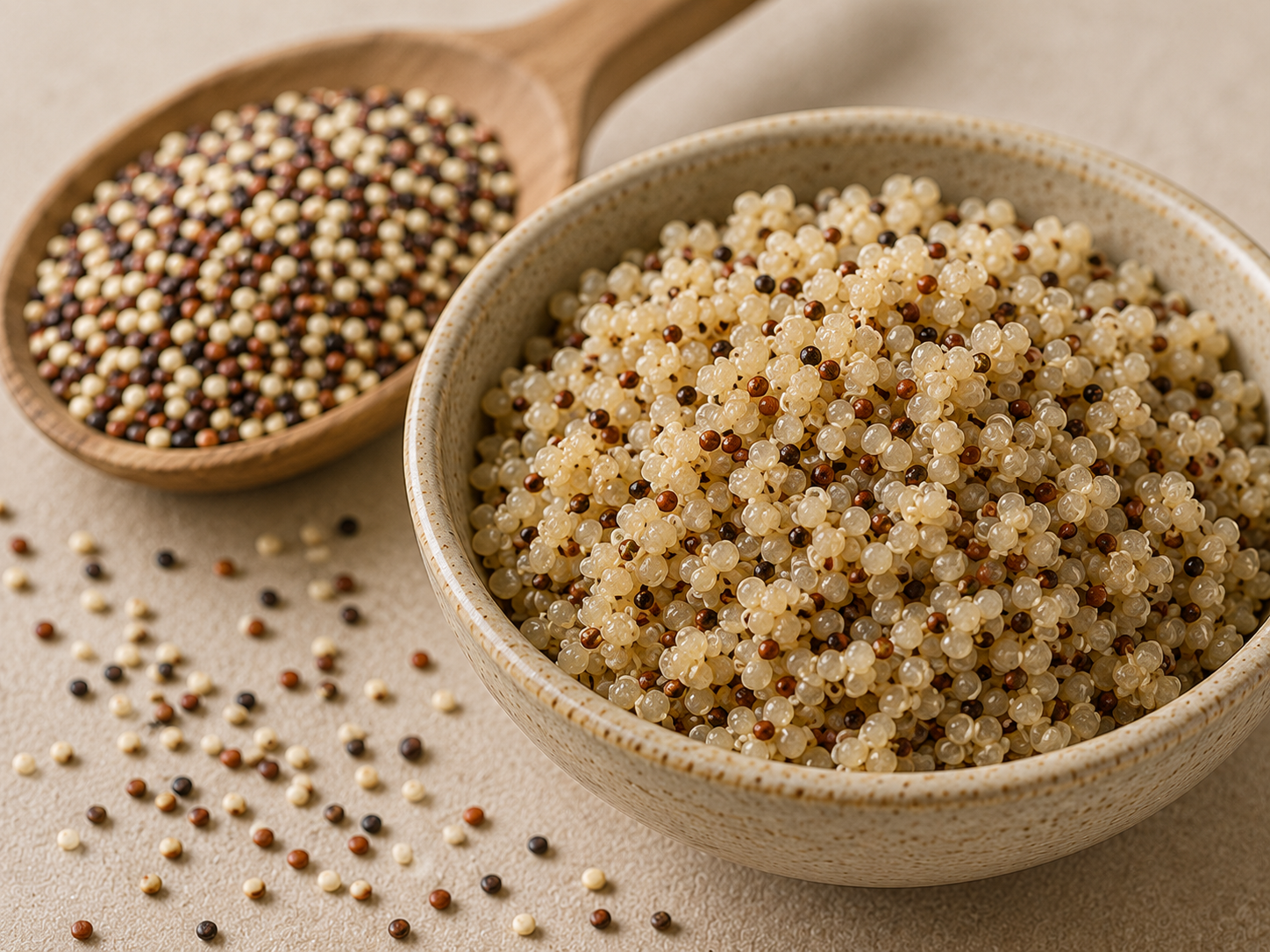
White quinoa is usually milder and softer; red and black varieties are often firmer and may differ in phenolics. Color does not reliably indicate protein, magnesium, fiber, or overall nutritional quality, so tri-color quinoa is not automatically better.
Desaponified Quinoa
Most commercial quinoa has already had most saponins removed through mechanical polishing or washing, resulting in a milder flavor. This treatment may remove a small amount of outer-layer compounds, but that does not mean untreated, clearly bitter quinoa is better to eat.
Washing & Soaking
If the package says “pre-washed” or “no rinse needed,” cook according to the instructions. Soaking may shorten cooking time for some products but is not essential; cook promptly after prolonged soaking.
Cooked Quinoa
During cooking, the seeds absorb water and expand, and the germ forms a small white ring-like structure. This should not be interpreted as a large overall loss of nutrients.
Quinoa Flakes
Quinoa flakes are rolled or otherwise pretreated, so they cook faster and work well for breakfast porridge. Because the structure is thinner and more surface area is exposed, their digestion characteristics are not identical to intact quinoa seeds.
Quinoa Flour & Puffed Products
Grinding disrupts the intact grain structure, while puffing and extrusion further alter starch and plant compounds. Quinoa flour, quinoa bread, quinoa crisps, and quinoa cookies are not nutritionally identical to intact cooked quinoa; check the quinoa proportion, added sugar, fat, and sodium.
How to Choose & Store
How to choose
- Confirm whether the product is whole white quinoa, red quinoa, black quinoa, tri-color quinoa, or Quinoa.
- Look for labels such as washed, pre-washed, no rinse, Pre-washed, Pre-rinsed, or Saponin removed.
- A plain quinoa ingredient list usually contains only “quinoa.” For mixed rice, porridge blends.
- Seeds should be mostly intact and dry, without obvious mold, insect damage, unusual clumping, or a damp or musty odor.
- There is no need to chase expensive imported products. Other whole grains and legumes can also provide valuable nutrients.
How to store
- Store uncooked quinoa in a cool, dry, dark place and transfer it to a sealed container after opening. Refrigeration is reasonable in hot, humid conditions; follow the package for storage duration.
- After cooking, divide promptly into shallow sealed containers and refrigerate within 2 hours; when ambient temperature is above 32°C, refrigerate within 1 hour.
- Leftovers are generally best eaten within 3—4 days and reheated thoroughly before serving.
- Discard quinoa with mold, insect damage or eggs, obvious moisture clumping, rancid or musty odor, or cooked quinoa that becomes abnormally slimy or discolored or has been left at unsafe room temperature too long.
When buying quinoa, remember three points: simple ingredients, check whether it is pre-rinsed, and for processed foods check the quinoa proportion and added sugar.
How to Include It in Everyday Meals
Quinoa Mixed-Grain Rice
Cook quinoa with rice, brown rice, black rice, or millet. For a first try, let quinoa make up about one quarter of the total grain amount.
Quinoa Grain Salad
Cool cooked quinoa and combine it with tomatoes, bell peppers, cucumber, red cabbage, chickpeas, or tofu, then season with a small amount of olive oil, vinegar, lemon juice.
Quinoa Grain Bowl
Use cooked quinoa as the staple base, add two to three differently colored vegetables, legumes or tofu, and pair with eggs, fish, or chicken.
Quinoa Vegetable Soup
Add cooked quinoa to soups with tomatoes, onions, carrots, celery, mushrooms, lentils, or chickpeas to add staple-food carbohydrate and dietary fiber.
Quinoa Breakfast Porridge
Cook quinoa with oats, millet, apples, bananas, or berries, then pair with plain yogurt, milk, soy milk, nuts, or seeds. Quinoa porridge is still a staple food, and nuts and fruit should also be kept to reasonable portions.
Quinoa Patties or Vegetable Balls
Mix cooked quinoa with egg, tofu, hummus, and chopped vegetables. Pan-cook lightly or bake; avoid heavy charring and large amounts of flour, cheese, or processed meat.
Who Should Take Extra Care
People with Celiac Disease or Those Requiring a Strict Gluten-Free Diet
Quinoa naturally does not contain the gluten found in wheat, barley, and rye. Cross-contact can still occur during production, transportation, and processing, so people who require a strict gluten-free diet should choose products clearly labeled “gluten-free.”
People with digestive sensitivity
Quinoa contains dietary fiber and may retain small amounts of surface saponins. Start with a smaller serving and rinse and cook thoroughly according to package directions.
People with Quinoa Allergy
Quinoa allergy is uncommon but can occur. If eating it causes hives, swelling of the lips or throat, wheezing, repeated vomiting, or other clear allergic symptoms, stop eating it and seek medical care promptly.
People managing blood sugar
Quinoa is still a carbohydrate-containing staple food. One cup of cooked quinoa provides about 39 g of carbohydrate and should not be eaten without limit.
People with impaired kidney function
Quinoa contains phosphorus, potassium, and magnesium. People who need to restrict these minerals should adjust the portion according to an individualized plan from a physician or registered dietitian.
Infants, Young Children & People with Weaker Swallowing Ability
Quinoa grains are small but still need to be cooked until soft. For infants and young children, adjust texture to age and swallowing ability and rotate quinoa with other grains, vegetables, and protein foods.
Similar Food Alternatives
Buckwheat
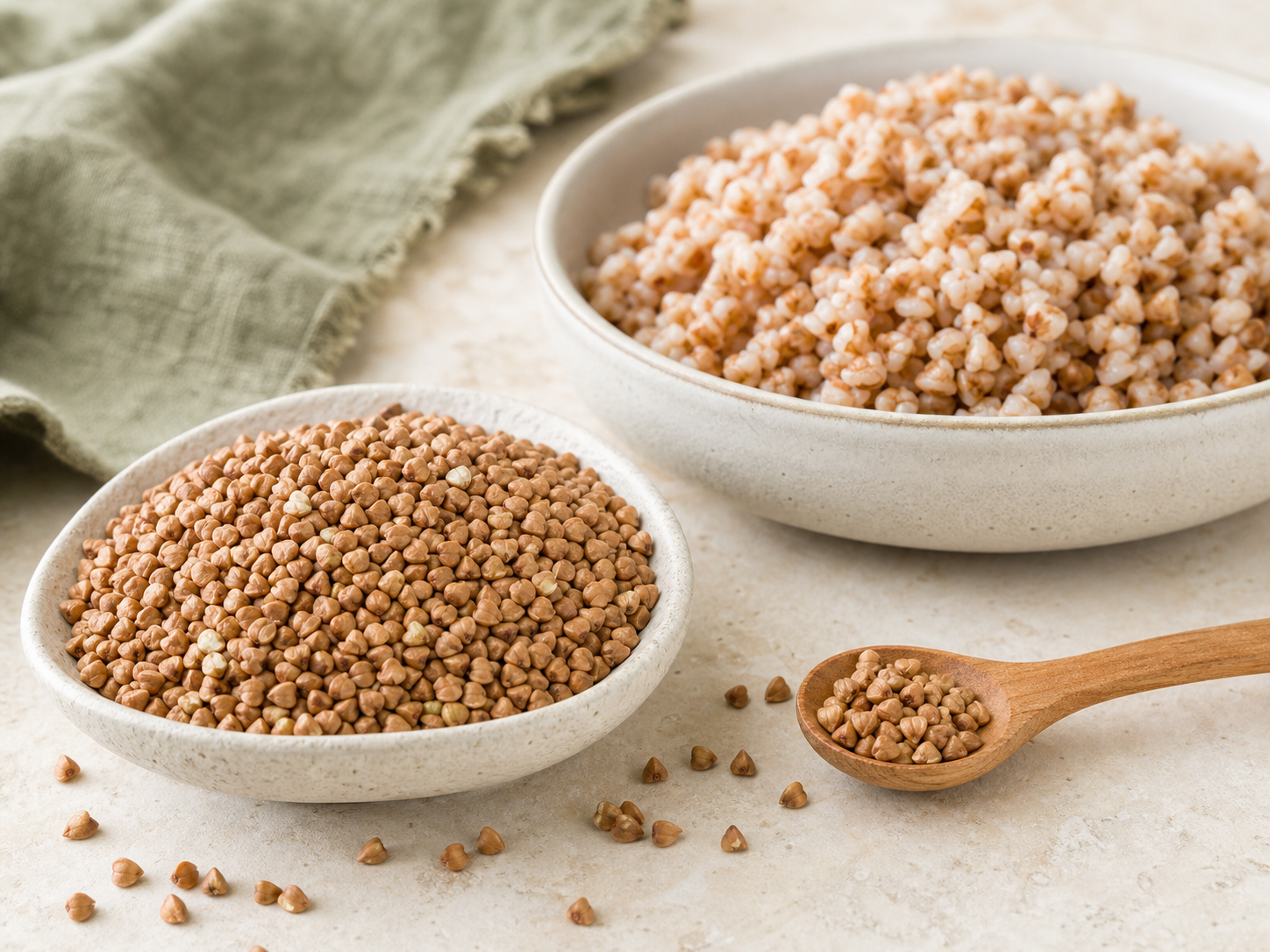
Also a pseudocereal and well suited to mixed-grain rice, grain bowls, and noodles.
View details →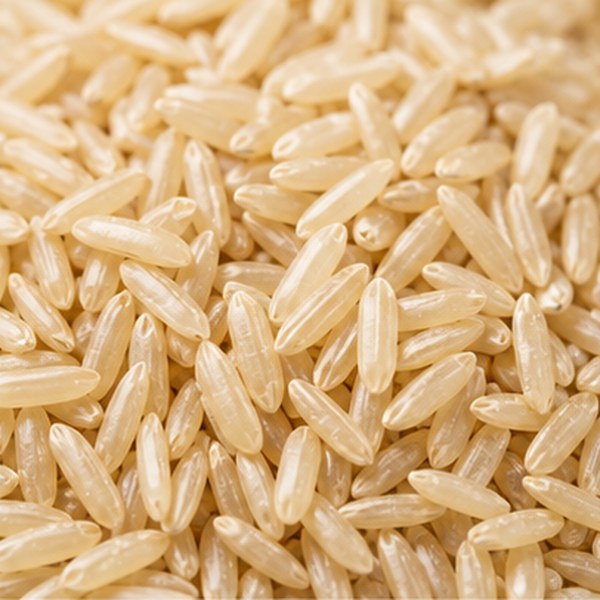
Brown Rice
Closer to everyday rice in texture and use and also a whole grain.
View details →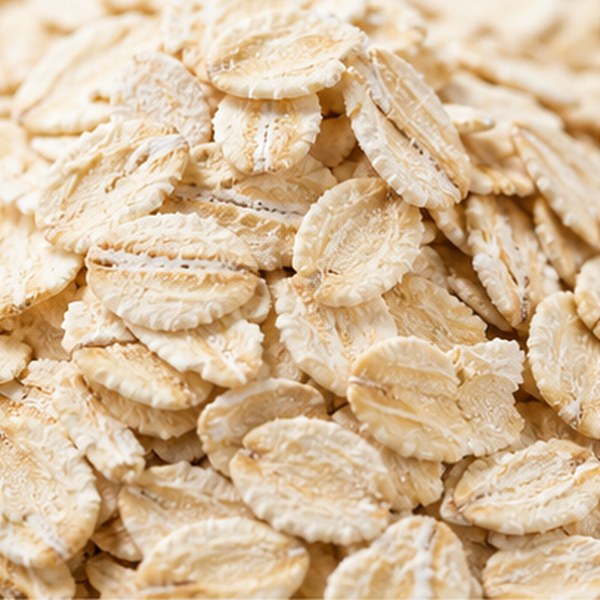
Oats
Contains representative β-glucan and works well for breakfast, porridge, and mixed-grain rice.
View details →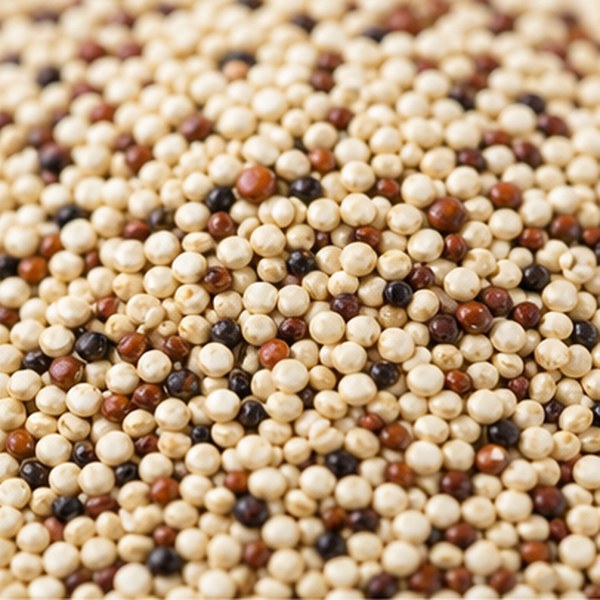
Millet
Small, mild-tasting grains suitable for rice dishes, porridge, and mixed-grain staple foods.
View details →Data Sources & Last Updated
Nutrition Data
Basic Information & Food Safety
Research & References
Vega-Gálvez, A., et al. (2010). Nutrition facts and functional potential of quinoa (Chenopodium quinoa Willd.), an ancient Andean grain: a review.
Journal of the Science of Food and Agriculture, 90(15), 2541–2547. DOI / Original
Graf, B. L., et al. (2015). Innovations in Health Value and Functional Food Development of Quinoa (Chenopodium quinoa Willd.).
Comprehensive Reviews in Food Science and Food Safety, 14(4), 431–445. DOI / Original
El Hazzam, K., et al. (2020). An Insight into Saponins from Quinoa (Chenopodium quinoa Willd.): A Review.
Molecules, 25(5), 1059. DOI / Original
Zevallos, V. F., et al. (2014). Gastrointestinal effects of eating quinoa (Chenopodium quinoa Willd.) in celiac patients.
American Journal of Gastroenterology, 109(2), 270–278. DOI / Original
Peñas, E., et al. (2014). Biochemical and immunochemical evidences supporting the inclusion of quinoa as a gluten-free ingredient.
Plant Foods for Human Nutrition, 69(4), 297–303.
Li, L., et al. (2018). Effects of Quinoa Consumption on Markers of CVD Risk.
Human intervention study.
Atefi, M., et al. (2024). Does Quinoa Consumption Improve Fasting Blood Glucose, Body Weight and Body Mass Index? A Systematic Review and Meta-analysis.
Systematic review and meta-analysis.
Huang, L., et al. (2025). Quinoa is more effective than other whole grains in the management of impaired glucose tolerance: a randomized controlled trial.
Food & Function, 16, 763. DOI / Original