Tea & Coffee · Herbal infusion
Yerba mate
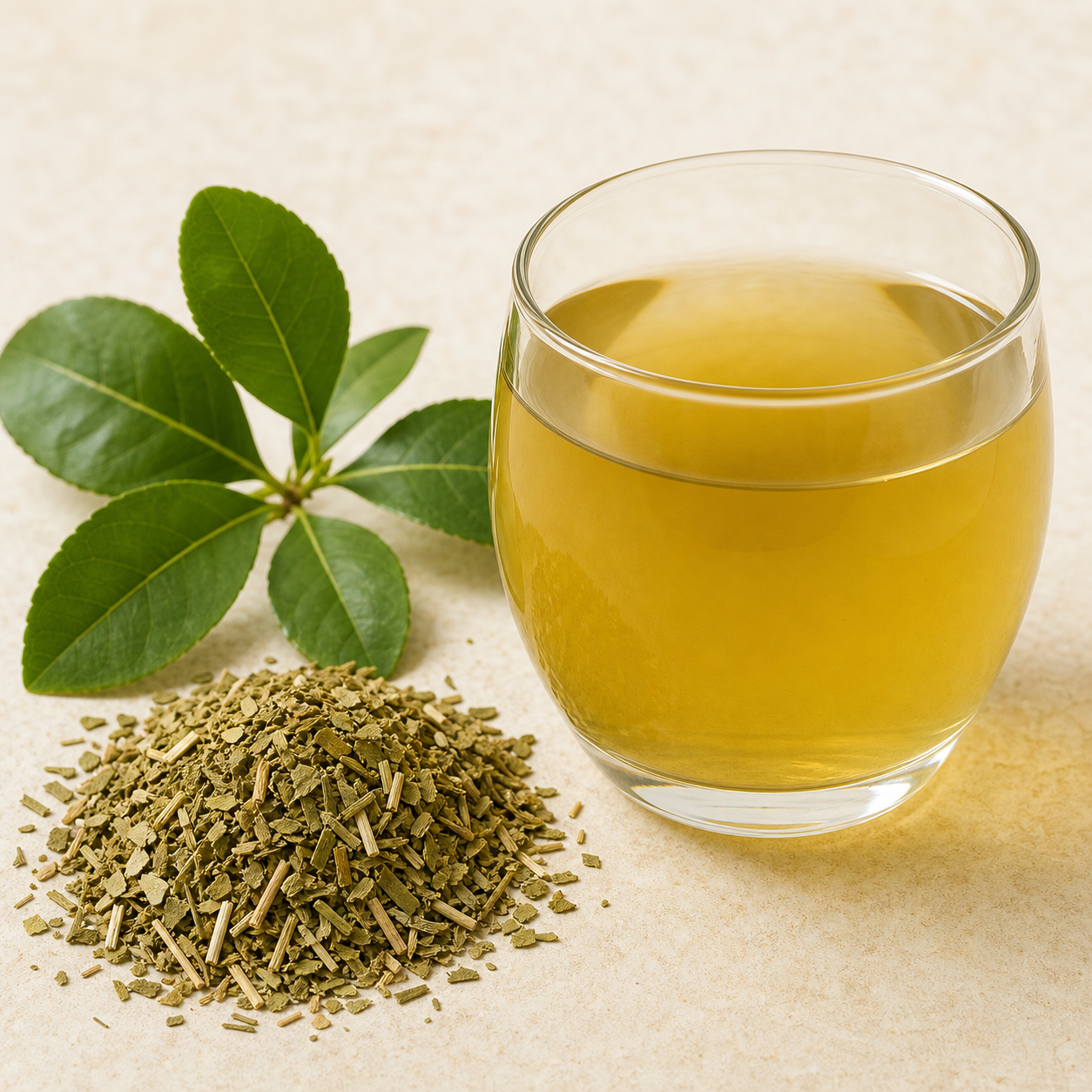
Yerba mate is an herbal infusion made from the leaves and tender stems of Ilex paraguariensis. Unsweetened mate is very low in energy and contains caffeine plus bioactives such as chlorogenic acids and rutin; everyday use should avoid extra sugar and very hot drinking temperatures.
Beverage overview
Key strengths
Yerba mate contains chlorogenic acids, rutin, and other polyphenols, along with natural caffeine. When unsweetened, it is very low in energy and available carbohydrate.
How to drink it
It can be an alternative to unsweetened coffee, green tea, or sugary drinks. Drink it warm or cold, but count its caffeine toward your daily total.
What stands out
Yerba mate is especially known for chlorogenic acids such as caffeoylquinic acids. Product type, leaf-to-stem ratio, particle size, brewing time, and water temperature can markedly change actual polyphenol and caffeine concentrations.
Worth noting
Yerba mate contains caffeine and should not be treated like plain water for unlimited intake. Traditional preparation may involve repeated refills and a large total volume. Very hot beverages above 65°C are classified as probably carcinogenic to humans, so avoid drinking it scalding hot.
Basic Nutrition
Showing:100 mL Unsweetened yerba mate
View complete nutrition data
GI note:GI varies with cultivar, food structure, processing, and cooking. Raw grains usually do not have directly applicable human GI data.
Reliable GI data are lacking for this standard brewed state. GI cannot be inferred from sugar, carbohydrate, or calorie content.
Data notes:Default data come from a Brazilian food-composition database for a 5% unsweetened yerba-mate infusion, using the practical approximation that 1 mL of this water-like drink weighs about 1 g.
Only unsweetened yerba mate uses the default nutrition data on this page. Cold-brew and ready-to-drink products can differ substantially in concentration, caffeine, and added sugar.
Vitamin B1 comes from one specific database sample and is notably higher than typical tea-beverage values, so it should not be treated as representative of all yerba mate.
Vitamins & Minerals
Nutrition defaults to per 100 mL unsweetened yerba mate and updates to a common 250 mL serving. Only nutrients reaching at least 5% of the adult Daily Value at the selected amount are shown.
Vitamin B1 is based on one specific database sample; vitamin and mineral concentrations can vary substantially across products and brewing methods.
View all vitamins and minerals
Key Bioactive Compounds
Chlorogenic acids
Phenolic acidsYerba mate’s main chlorogenic acids include several caffeoylquinic acids, making them one of its most abundant and characteristic polyphenol groups.
In one study of three roasted yerba-mate products, total chlorogenic acids were about 13.85 mg/100 mL in instant mate, 8.29 mg/100 mL in tea bags, and 6.85 mg/100 mL in loose mate. Actual content varies with raw material, leaf-to-stem ratio, processing, particle size, water temperature, time, and dose.
Chlorogenic acids can contribute to antioxidant defenses. Some small human studies observed changes in blood phenolics and selected oxidative-stress markers, but the evidence base is limited.
Choose unsweetened yerba mate and brew according to the product’s suggested amount and time. Let hot tea cool until comfortable before drinking; cold brew is also an option.
Laboratory antioxidant activity does not mean yerba mate can “eliminate inflammation” or treat high cholesterol, diabetes, or cardiovascular disease. Changes in biomarkers should not automatically be interpreted as lower disease risk.
Caffeine and theobromine
MethylxanthinesCaffeine and theobromine are both methylxanthines. Caffeine is the main one in yerba mate, while theobromine is lower; both contribute to bitterness and stimulant effects.
In specific roasted samples, caffeine was about 6.45–8.26 mg/100 mL and theobromine 1.16–1.41 mg/100 mL. In another study, some samples reached about 15–25.8 mg caffeine/100 mL, showing how strongly preparation can change the result.
Caffeine can improve alertness and reduce drowsiness. Whether mate feels “smoother” than coffee mainly depends on the actual dose, drinking speed, and individual sensitivity.
Use it mainly in the morning or early afternoon and count caffeine from tea, coffee, cola, energy drinks, and caffeinated medicines together. With a new product, start weaker and observe your response.
“Mateine” is generally just another name for caffeine, not a special substance that avoids caffeine-related side effects. Yerba mate cannot guarantee no palpitations, anxiety, or sleep disruption.
Rutin
FlavonoidsRutin is a flavonoid and one of the more identifiable representative flavonoids in yerba-mate water infusions.
In the same roasted-mate study, instant, tea-bag, and loose samples contained about 0.48, 0.97, and 0.82 mg rutin per 100 mL, respectively. Dry-leaf measurements cannot be directly converted into actual intake.
Rutin contributes to the overall antioxidant activity of yerba mate, but one cup cannot therefore be claimed to provide a distinct, proven vascular-protective or anti-inflammatory effect.
Normal steeping is enough. Keep it unsweetened or use a little lemon or mint for flavor rather than relying on syrup or creamer.
Rutin in ordinary yerba mate is not equivalent to high-dose extracts or supplements, and supplement findings should not be applied directly to one cup.
Brewing and processing differences
Unsweetened brewed infusion
This is the default state for Sections 02 and 03. It is very low in energy and carbohydrate, but does not represent highly concentrated traditional brews, repeated refills, or ready-to-drink products.
Yerba-mate tea bags
Convenient to use, usually with finer particles. In one study, tea-bag samples had more chlorogenic acids and rutin than loose samples, but this should not be generalized to all products.
Loose yerba mate
Strength can be adjusted by leaf amount and refill number. Traditional preparation may use a large amount of mate and repeated refills, so cumulative caffeine should not be estimated from one ordinary weak cup.
Instant yerba mate
In research, some instant products had relatively high concentrations of chlorogenic acids, caffeine, theobromine, and selected minerals. Check whether sugar, maltodextrin, flavorings, or other ingredients have been added.
Longer steeping or repeated brewing
Longer time and different water temperatures may increase extraction of caffeine and other soluble compounds, but the extent depends on the product. Longer brewing does not mean “healthier.”
Cold-brew yerba mate
Cold brewing avoids very high drinking temperatures, but it does not make the drink caffeine-free. Leaf-to-water ratio and steeping time vary widely, so separate data are needed.
Bottled or canned ready-to-drink yerba mate
Treat these as separate products and use their own energy, added sugar, total carbohydrate, caffeine, sodium, and ingredient-list information rather than the unsweetened-infusion data here.
How to choose and store
How to choose
- Basic products usually need only yerba mate, Ilex paraguariensis leaves and tender stems. Ready-to-drink products also require checking sugar, syrup, juice concentrates, sweeteners, and added caffeine.
- Distinguish traditional loose mate, roasted mate, tea bags, instant products, ready-to-drink beverages, and extracts; these should not share one data set.
- Prefer products that state caffeine per serving. If smoke-related processing is a concern, look for products labeled non-smoke-dried and, when available, with third-party contaminant testing.
- Choose intact, well-sealed packaging with no moisture clumping, moldy odor, or other unusual smell.
How to store
- Store unopened in a cool, dry, dark place away from the stove, sink, and direct sunlight.
- After opening, keep it sealed and use dry utensils; store away from coffee, spices, and other strongly scented foods.
- Freshly brewed mate is best consumed soon. If storing briefly, refrigerate promptly in a clean sealed container and discard if there is an off smell, mold, sliminess, or other spoilage.
When buying yerba mate, remember four things: simple ingredients, little or no added sugar, clear caffeine information, and transparent processing/testing information.
How to fit it into your diet
Warm unsweetened yerba mate
Use the amount suggested on the package, steep in hot water, and strain. Let it cool until warm and comfortable before drinking rather than consuming it scalding hot. It can accompany breakfast or an afternoon snack; people prone to insomnia should drink it earlier.
Cold-brew yerba mate
Steep yerba mate with drinking water in a clean sealed container in the refrigerator, then strain. Add lemon, mint, or a small amount of unsweetened fruit for flavor. Longer cold steeping does not mean no caffeine, so total daily intake still matters.
Yerba mate with lemon
Let brewed mate cool, then add a little fresh lemon juice or lemon slices. The acidity can reduce reliance on syrup and sweet drinks. Lemon does not “boost anti-inflammatory effects” or “detox”; it mainly changes flavor.
Yerba mate with mint
Add mint leaves during warm or cold brewing for a fresher herbal aroma. Keep it unsweetened when possible, or gradually reduce honey and sugar rather than masking all bitterness with sweetness.
Replace some sugary drinks
Unsweetened yerba mate can replace some milk tea, sweet coffee, fruit-flavored drinks, or energy drinks. The main benefit of the swap comes from reducing added sugar and total energy, not from mate “canceling out” an otherwise unhealthy diet.
For work or study
Brew a weaker cup with a tea bag first and observe your caffeine response. Do not stack it back-to-back with coffee or energy drinks, and do not rely on large caffeine doses to compensate for chronic sleep loss.
Who Should Take Extra Care
People sensitive to caffeine
People who easily develop insomnia, palpitations, nervousness, tremor, or stomach discomfort should reduce concentration and serving size and avoid it later in the day. Up to 400 mg caffeine/day is generally not associated with clear adverse effects in most adults, but individual sensitivity varies widely.
Pregnant People
Count caffeine from yerba mate, coffee, tea, chocolate, cola, and other sources together. During pregnancy, total caffeine is generally advised to stay below 200 mg/day; because mate concentration varies widely, cup count alone is unreliable.
People with poor sleep quality
Even when total caffeine stays below 400 mg/day, afternoon or evening use may still delay sleep or reduce sleep depth, so morning use is often a better fit.
People taking medicines or with specific health conditions
Some medicines and health conditions can increase caffeine sensitivity. People on long-term medication or with marked palpitations or blood-pressure fluctuations should ask a doctor or pharmacist.
People who regularly drink very hot beverages
Whether it is yerba mate, coffee, green tea, or hot water, avoid routinely drinking beverages above 65°C. Let them cool until warm and comfortable.
People who drink large amounts
Traditional preparation may involve repeated refills and a large total volume, so cumulative caffeine, manganese, and other soluble compounds can be much higher than from one ordinary tea-bag cup.
Children and adolescents
Yerba mate is not recommended as a routine stimulant drink for children. Too much caffeine can cause faster heart rate, palpitations, anxiety, sleep disruption, and digestive symptoms.
Similar beverage alternatives
Green tea
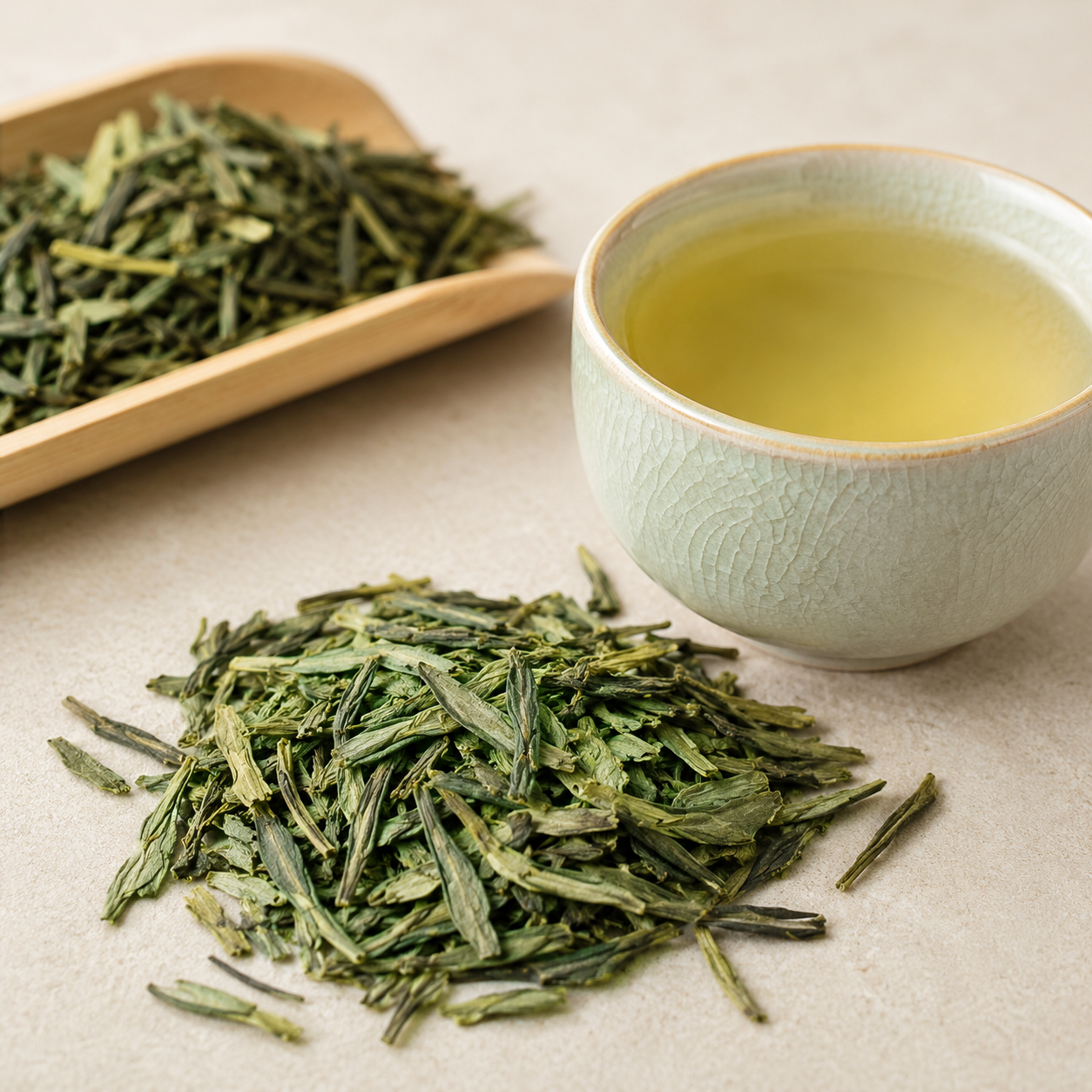
Also contains caffeine, with catechins as the main representative bioactives; a good option for people who prefer a fresher tea flavor.
View details →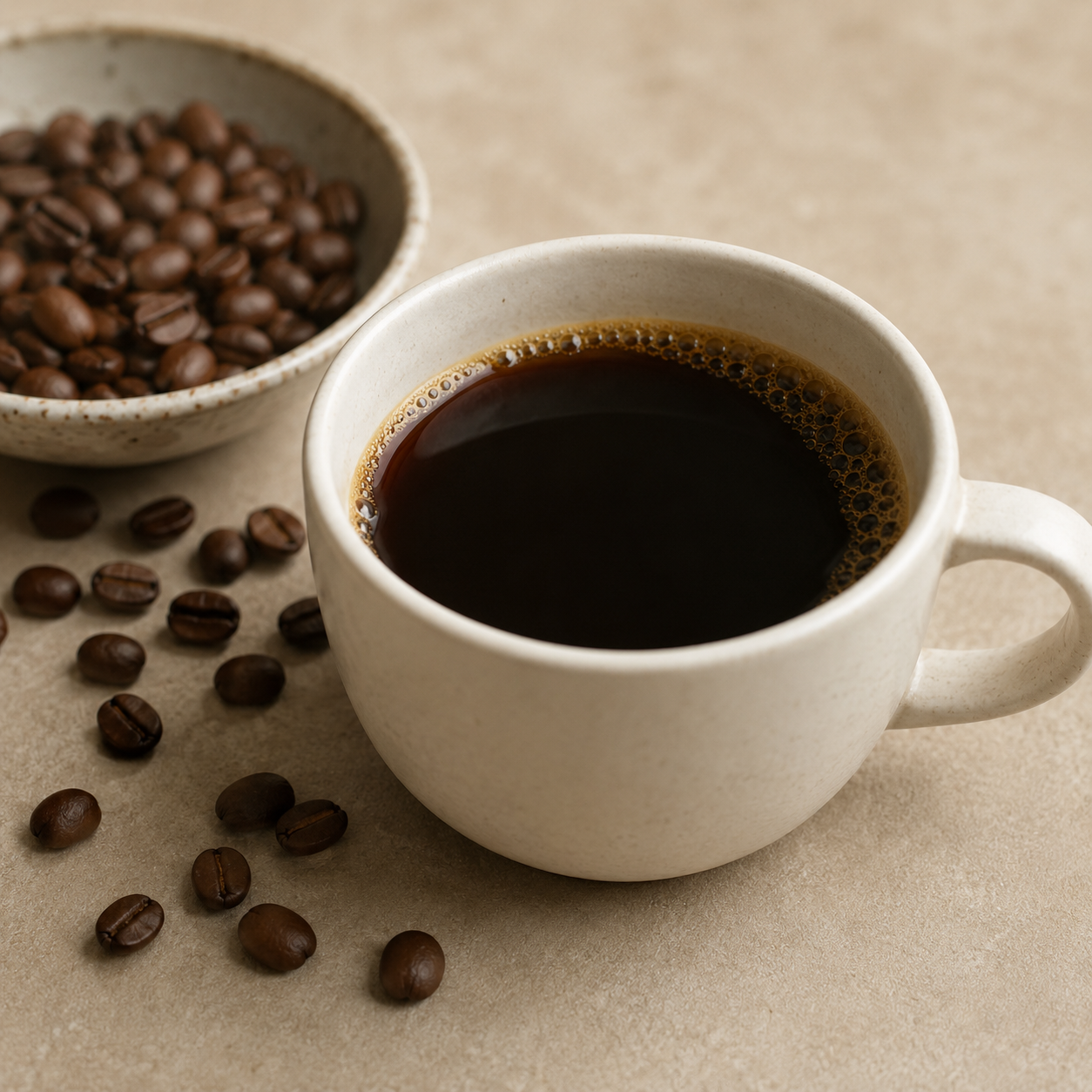
Unsweetened coffee
Also contains caffeine and chlorogenic acids, with a more pronounced roasted aroma. Levels vary with bean type, serving size, and brewing.
View details →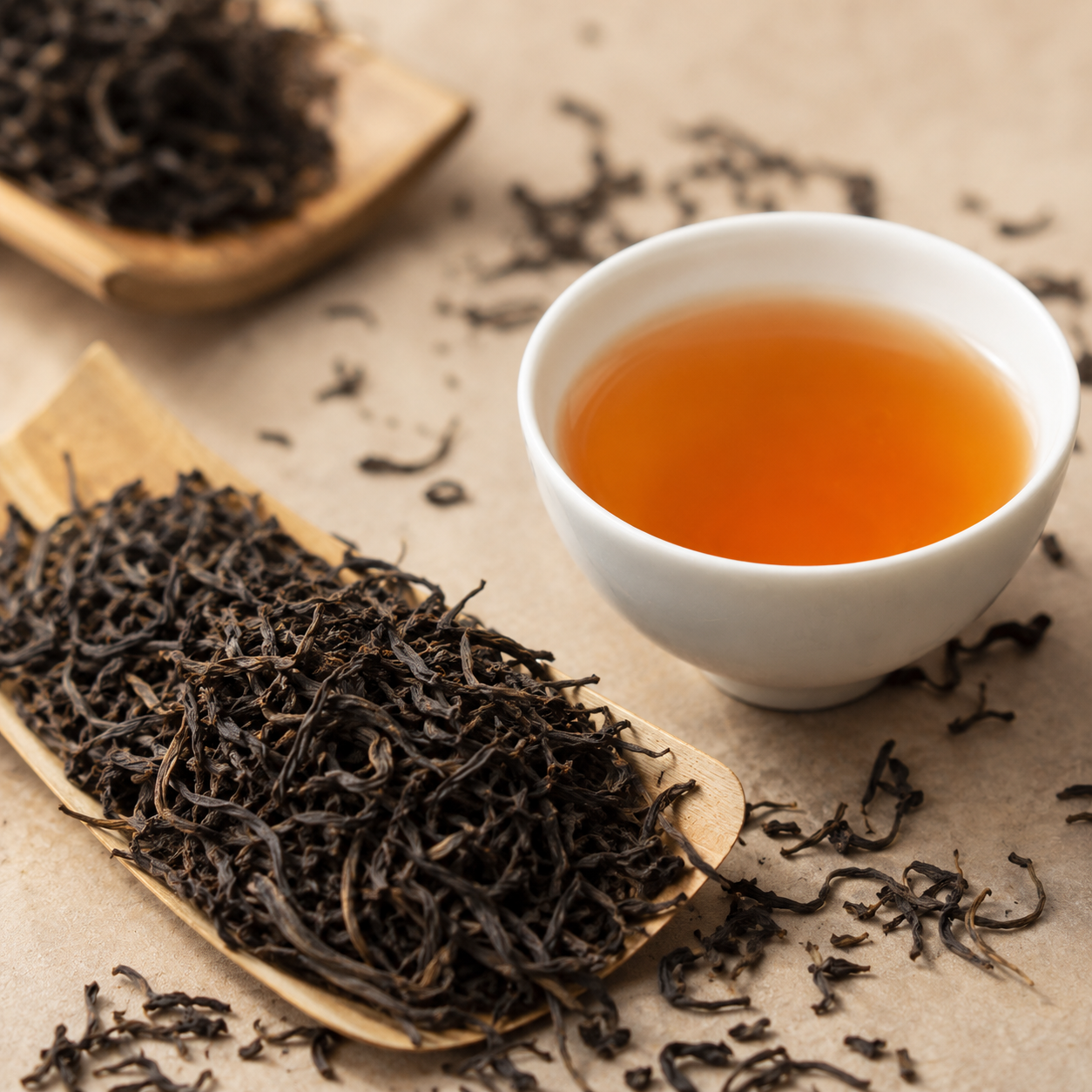
Black tea
Contains caffeine and is characterized more by transformed tea polyphenols such as theaflavins and thearubigins.
View details →Rooibos
Naturally caffeine-free and more suitable for reducing stimulant intake or evening use, though its bioactive profile is different.
View details →Data Sources & Last Updated
Nutrition Data
Basic Information & Food Safety
Research & References
Panza VP, et al. (2016). Effects of mate tea consumption on muscle strength and oxidative stress markers after eccentric exercise.
British Journal of Nutrition, 115(8), 1370–1378. DOI / Original
Boaventura BCB, et al. (2012). Association of mate tea intake and dietary intervention and effects on oxidative stress biomarkers of dyslipidemic subjects.
Nutrition, 28(6), 657–664. DOI / Original
Najman K, et al. (2024). Changes in the Physicochemical and Bioactive Properties of Yerba Mate Infusions Obtained by Single and Double Brewing at 70°C and 100°C.
Molecules. DOI / Original
Płatkiewicz J, et al. (2024). Antioxidant Capacity, Phenolic Compounds, and Other Components of Yerba Mate Infusions.
Research article. DOI / Original
Menoni C, et al. (2021). Polycyclic aromatic hydrocarbons in yerba mate infusions consumed in Uruguay.
Research article. DOI / Original
Lopes AB, et al. (2017). Urinary concentrations of polycyclic aromatic hydrocarbon metabolites in maté drinkers.
Research article. DOI / Original