Legumes & Soy Foods · Mature Dry Beans
Cranberry Bean (Borlotti Bean)
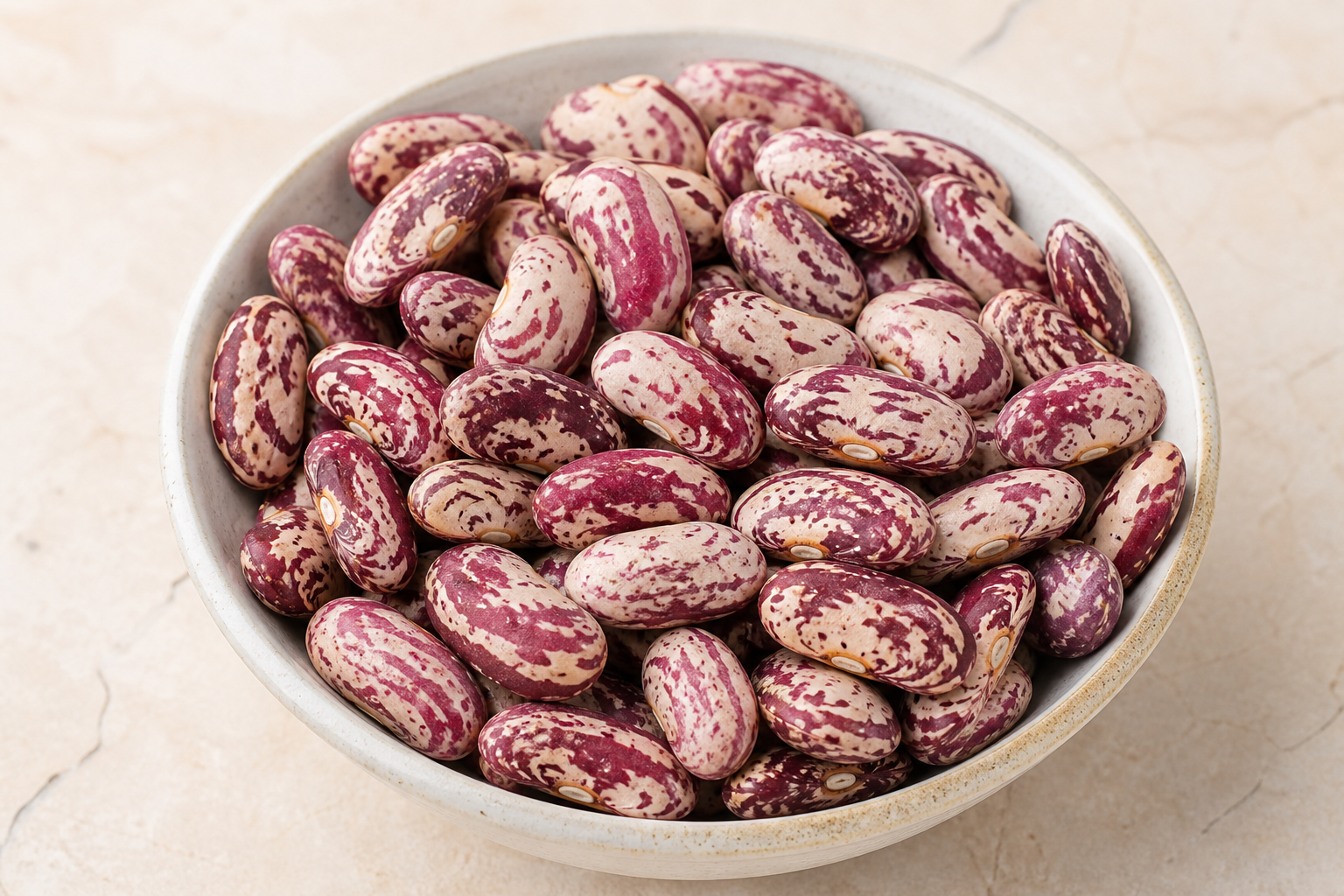
Cranberry beans are mature common beans with red-purple mottled seed coats. Once cooked, they provide substantial dietary fiber, plant protein, folate, copper, magnesium, and iron. Their colored seed coats also contain polyphenols such as proanthocyanidins, catechins, anthocyanins, and phenolic acids.
Food Overview
Key strengths
Per 100 g, cooked cranberry beans provide about 9.3 g of protein and 8.6 g of dietary fiber, along with folate, copper, vitamin B1, magnesium, iron, and phosphorus.
How to Eat It
Once cooked until soft, cranberry beans work well in mixed-grain rice, vegetable soups, stews, salads, and grain bowls. People trying them for the first time or who are prone to bloating can start with a smaller portion.
What stands out
Polyphenols in the red or purple-red mottling are concentrated mainly in the seed coat. Cultivars differ widely in seed-coat color, darkening during storage, and polyphenol composition, and darker color does not necessarily mean stronger health effects in people.
Worth noting
Raw cranberry beans must not be eaten directly. Beans contain lectins and other natural defense compounds; soaking and thorough heating can substantially reduce risk. Properly cooked beans should be soft enough to crush easily with a fork or fingers.
Basic Nutrition
Showing:100 g Cooked Cranberry Beans
View complete nutrition data
GI note:GI varies with cultivar, food structure, processing, and cooking. Raw grains usually do not have directly applicable human GI data.
No reliable single GI value was found that clearly corresponds to Cranberry/Roman/Borlotti beans measured by a standard method.
Data notes:Cooked-cranberry-bean data refer to the edible portion after boiling without added salt.
Vitamins & Minerals
By default, data are shown per 100 g of cooked cranberry beans. Only nutrients providing at least 5% of the FDA adult Daily Value are displayed, with the top six shown by default.
View all vitamins and minerals
Percentages show how much the selected serving contributes to the adult Daily Value.
Key Bioactive Compounds
Proanthocyanidins & Catechins
Flavanols & Condensed TanninsProanthocyanidins and catechins are representative polyphenols in the colored seed coat and are also involved in the gradual darkening of beans during storage.
In one regular-darkening cranberry-bean line, dry seed coat contained about 3.706 mg/g catechin, B-type proanthocyanidin dimers at 1.040 and 0.775 mg/g, and a C-type trimer at 0.495 mg/g.
Proanthocyanidins and catechins show antioxidant activity under experimental conditions and can contribute to polyphenol intake in a plant-rich diet.
Keep the seed coat intact and cook thoroughly. To reduce bloating and improve texture, the soaking water can be discarded and the beans cooked in fresh water.
The amounts above come from seed-coat extracts and laboratory antioxidant testing.
Anthocyanins
AnthocyaninsAnthocyanins detected in cranberry-bean seed coats include mainly cyanidin- and pelargonidin-related compounds, which contribute to red, purple-red, and brown-red mottling.
One study of a specific regular-darkening cranberry-bean seed coat measured about 0.003 mg/g of cyanidin-3-O-glucoside and about 0.015 mg/g of pelargonidin-3-O-glucoside.
Anthocyanins show antioxidant activity in vitro and may contribute to the food’s overall antioxidant capacity.
Do not eat raw or undercooked beans in an attempt to preserve anthocyanins.
Anthocyanin levels in cranberry beans generally cannot be compared directly with deeply colored berries such as blueberries or blackberries.
Phenolic acids
Phenolic acidsCranberry beans contain phenolic acids such as protocatechuic, p-hydroxybenzoic, p-coumaric, and ferulic acids.
In one seed-coat sample, protocatechuic acid was about 0.217 mg/g, p-hydroxybenzoic acid 0.239 mg/g, and p-coumaric acid 0.028 mg/g. These are not fixed values for whole beans.
These phenolics show antioxidant activity experimentally and some bound forms may be released during cooking and digestion.
Eat the whole bean after thorough cooking; there is no need to use special processing just to preserve one phenolic acid.
Current anti-inflammatory findings for Borlotti beans come mainly from cell and in-vitro models, not long-term human trials.
How Preparation Changes Cranberry Bean (Borlotti Bean)
Raw Cranberry Beans
Here, “raw” means only the uncooked database state and does not mean ready to eat. Raw beans are hard and contain lectins, protease inhibitors, and other natural defense compounds that require thorough heating.
Soaking
A traditional method is to soak the beans in plenty of cold water for about 8 hours or overnight, then discard the soaking water and rinse.
Cook Thoroughly
After soaking, add fresh water, bring to a full boil, then reduce to a simmer and cook until the beans are soft. Doneness should be judged by whether the inside can be crushed easily, not by appearance alone.
Pressure Cooking
A pressure cooker can shorten cooking substantially. Add enough water and complete the full heating program according to the appliance instructions; do not simply place raw beans in a slow cooker that may stay at insufficient temperatures for a long time.
Adding Acidic Ingredients
Tomatoes, vinegar, and lemon juice can slow softening, so cook cranberry beans until mostly tender before adding tomato or vinegar for seasoning.
How to Choose & Store
How to choose
- Look for labels such as cranberry bean, Roman bean, Borlotti bean, or Phaseolus vulgaris.
- Do not identify them only by mottling, because pinto beans, large speckled beans, and other regional bean types can look similar.
- Choose beans of relatively even size with intact seed coats and no insect holes, obvious mold, moisture clumping, rancid odor, or musty smell.
- Beans stored for a long time may develop a “hard-to-cook” defect and require longer cooking even when they do not look spoiled.
How to store
- Store raw cranberry beans in a sealed container in a cool, dry, dark place away from the stove, sink, heat, and humidity.
- Mark the purchase date after opening and avoid mixing old and new beans for long storage.
- Do not leave cooked beans at room temperature for long. Cool them, refrigerate in a sealed container, and generally eat within 3—4 days.
- Freeze in meal-size portions if longer storage is needed.
- Discard beans with mold, clearly sour or rotten odors, unusual slime, swollen packaging, or abnormal fermentation smells.
When buying cranberry beans, remember three things: a clear product name, dry intact beans, and no insect damage or mold.
How to Include It in Everyday Meals
Cranberry-Bean Mixed-Grain Rice
Soak and cook cranberry beans separately until mostly soft, then steam them with brown rice, white rice, quinoa, or barley. For the first few times, let cooked beans make up about one quarter of the staple-food portion and increase gradually.
Cranberry-Bean Vegetable Soup
Cook cranberry beans with tomatoes, carrots, onions, celery, mushrooms, and leafy greens. Add tomatoes and vinegar after the beans have softened so cooking is not unnecessarily prolonged. Use less high-sodium stock, processed meat, and heavy cream.
Cranberry-Bean Stew
Stew with pumpkin, sweet potato, eggplant, bell peppers, and tomatoes. Cranberry beans naturally thicken the liquid, so large amounts of flour or cream are unnecessary.
Cranberry-Bean Salad
Cool fully cooked cranberry beans and combine with tomatoes, cucumber, red cabbage, spinach, or bell peppers. Dress with a small amount of olive oil, vinegar, lemon juice, and herbs.
Cranberry-Bean Purée
Mash softened cranberry beans with a little olive oil, lemon juice, garlic, and herbs. Limit butter, cream, and high-sodium seasonings.
Cranberry-Bean Grain Bowl
Combine cranberry beans with brown rice or quinoa, dark leafy greens, roasted pumpkin, tomatoes, and a small amount of nuts.
Who Should Take Extra Care
Everyone Should Avoid Raw or Undercooked Beans
Lectin levels vary among bean cultivars. Red kidney beans have the strongest documented risk, but other mature beans should also be properly soaked and thoroughly heated.
People with digestive sensitivity
Cranberry beans contain substantial dietary fiber and indigestible oligosaccharides, so a sudden large serving may cause bloating and gas. Start with a small amount of cooked beans and increase gradually.
People managing blood sugar
Cooked cranberry beans still contain about 24.5 g of carbohydrate per 100 g, so portion size still matters.
People with impaired kidney function
Both raw and cooked cranberry beans contain potassium, phosphorus, and magnesium. People who need to limit potassium, phosphorus, or protein should follow individualized portions from a physician or clinical dietitian rather than relying only on general healthy-eating recipes.
People with Legume Allergies
People with a clear history of allergy to common beans, peanuts, soy, or other legumes should be cautious when trying cranberry beans for the first time. Seek medical care promptly for difficulty breathing, throat swelling, or generalized hives.
Infants, young children, and people with swallowing difficulties
Cook the beans until fully soft, then mash or purée them to reduce the risk of choking. Avoid whole beans that remain firm and can be swallowed quickly.
Similar Food Alternatives
Red Kidney Beans
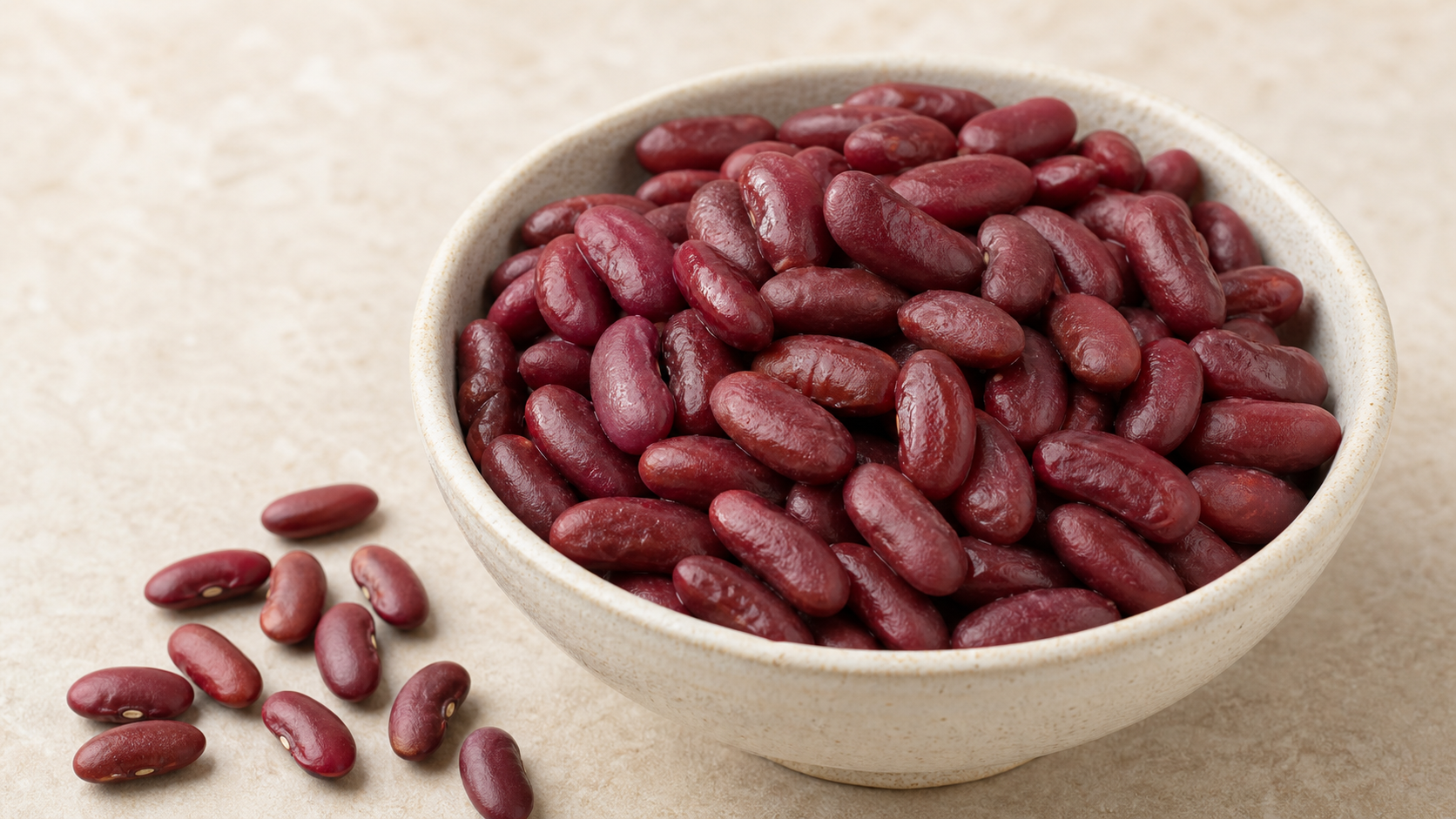
Similar in protein and fiber and useful in stews and soups. Lectin risk is higher, so soak and boil red kidney beans thoroughly.
View details →Pinto Beans
They also have mottled seed coats and a soft texture after cooking and work well in bean purées, stews, and grain bowls.
View details →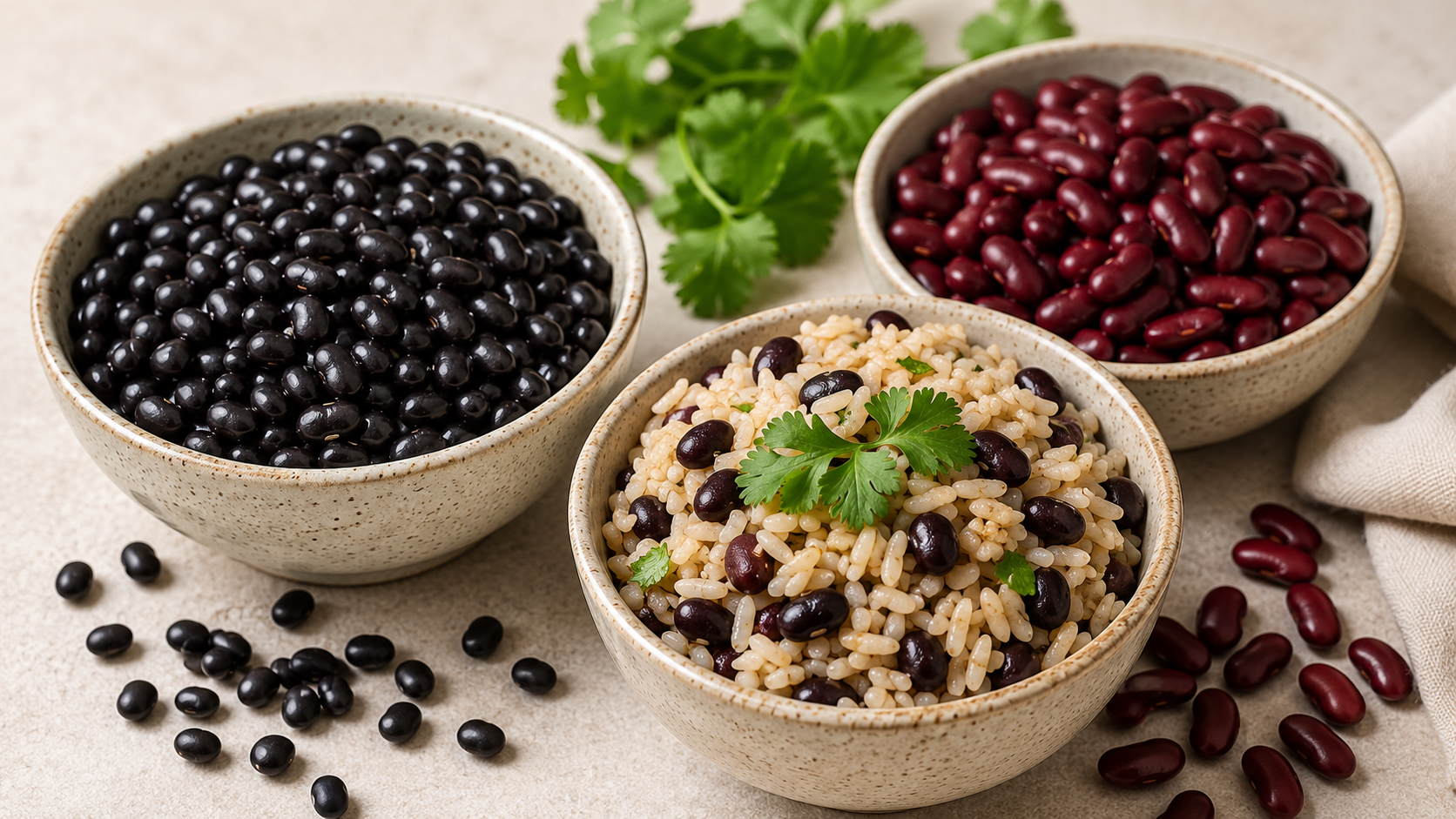
Black Soybeans
Colored-seed polyphenols are also prominent, and black beans provide plant protein and dietary fiber.
View details →
White Kidney Beans
They have a milder flavor and work well in soups, stews, and salads.
View details →Data Sources & Last Updated
Nutrition Data
Basic Information & Food Safety
Research & References
Chen PX, et al. (2015). Free and conjugated phenolic compounds and their antioxidant activities in regular and non-darkening cranberry bean (Phaseolus vulgaris L.) seed coats.
Journal of Functional Foods, 18, 1047–1056. DOI / Original
Pérez-Hernández LM, et al. (2020). Starch Digestion Enhances Bioaccessibility of Anti-Inflammatory Polyphenols from Borlotti Beans (Phaseolus vulgaris).
Nutrients, 12(2), 295. DOI / Original
Ramdath DD, et al. (2023). Minimal Effective Dose of Beans Required to Elicit a Glycemic Response Lower than Commonly Consumed Starchy Foods.
Nutrients. DOI / Original